
The writing prompt put forth by my writing group this month asks us to explore the invisible infrastructures we utilize when creating our works. Naturally, the creative process of choreographing dances for my students jumped into my mind.* What does that even look like in action? Let’s break it down.
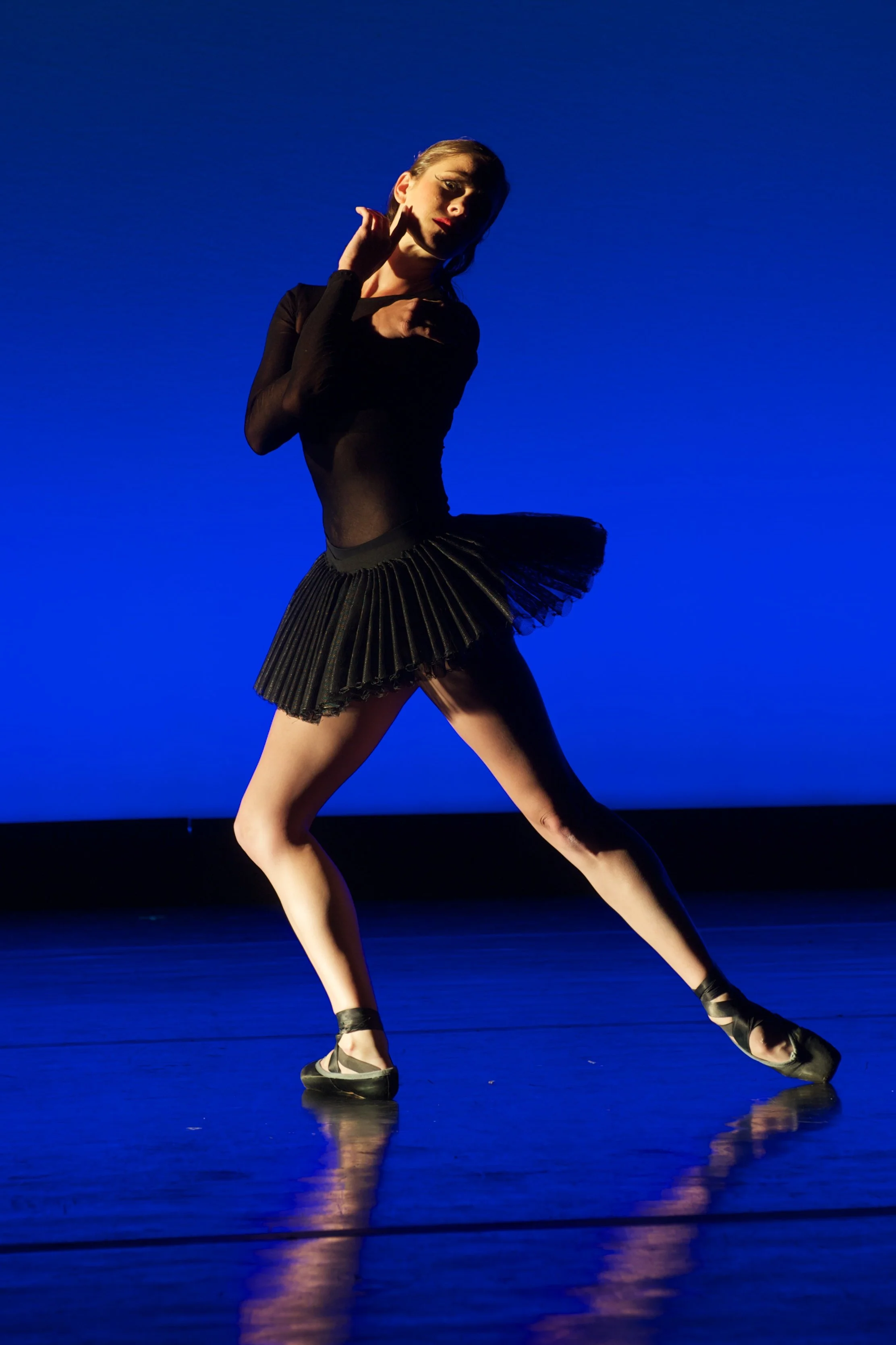
May 2010
The author choreographed a neoclassical piece to perform at her alma mater while dancing professionally for Alabama Ballet.
choreography in 5 easy steps:
Discover inspirational music
Determine specific steps to use & Create a motif
Movement now, Details later
Review & Reorder
Polish
Discover inspirational music
How does one find inspirational music? Often, I think about the job holding responsibility for setting music to movies and consider adding it to the list for “in the next life” possibilities. I imagine choosing recital dance songs comes pretty close to the same skill requirements. Find something young students will not only love but will be inspired by. Something they will not tire of or secretly seethe when they hear.
It’s easy to lean into classical music and I would be lying if I told you I searched elsewhere first. Even if the theme of a recital does not align with a classical music idea, I may stretch the bounds simply for students to get a chance to perform to classical music. However, there are certain classes that deserve a little more j’en sai quoi.
Well, here I go rambling on, not realizing how much thought I regularly place on such a tiny task in my recital season life. I’ll speed it up with a bullet pointed list of what all goes into musical decisions for the pieces I choreograph:
the personality of the students + vibes of the classes we experience together
age and stylistic choices of the students
any songs I’ve placed on my choreography list that I’ve been excited to dance to
the theme of the show (this is the most important and deciding factor)
I bet you want an example, so I’ll share a few of my faves. I’ve used Debussy’s Valse romantique, L. 71 to teach students how to waltz and to dance in a large circle around the stage like a corps de ballet. Since I adore piano versions of rock songs, I’ve choreographed several times to The Piano Guys’ lovely renditions. What song do you suggest I attempt choreographing to next?
Determine specific steps to use & create a motif
Throughout the school year (dance schools always follow the local school schedule without Mondays off though) I work steadily towards improving steps and introducing new more complicated steps once known technique is mastered. If there’s a particularly difficult step the students are proud of conquering or can’t quite seem to grasp, I build my choreography around it. Does that seem harsh? It’s not a punishment; it’s a goal. I promise.
Movement now, Details later
Generally, I aim to create 30 seconds worth of movement each time a class meets depending on the class length. The sweet spot length for recital songs is approximately 2:30-3:30 minutes, which allows me a 6 or 8-week window to complete a dance for a class that meets once a week. If a class meets twice a week or more, then I’m able to move a little quicker or focus more on technique.
When I was young, I choreographed during the drive to the studio. The car can be a surprising location for creative sparks. Now, I refuse to work outside the bounds of studios and create during class but maybe that’s also proof I’ve improved as an artist and a teacher. This places a lot more expectation on the students to keep up and remember what they learn. I never recall what I choreograph. It’s not my responsibility.
Review & Reorder
Once I complete the choreography, I begin the process of reviewing. I observe with a stage director’s eye, make notes of what I wish to alter, and reorder if necessary. Then, I walk through the entire dance with students sharing the details of the aesthetics of each movement—head, arms, feet—and request they remember these changes from then on. This is a thorough, in-depth process where I use the bulk of a full class time to complete.
Polish
Polishing a piece looks a lot like my reviewing process but I distinctly watch each dancer and smooth out any mistakes. I also focus more heavily on spacing, how the dancers execute the steps, and the overall look and feel of the piece. After this step, it’s recital time!
Obviously, I focused on recital choreography. If I do set a piece on a student for a competition solo or various performance opportunities, I prepare in advance and teach the entire piece in one long day or chunked into two or three hour-long stints over a weekend. These can be really fun choreography sessions for me! I love working with students in a workshop style capacity.
Are you surprised at how logical and pragmatic these steps work? Or are you surprised they’re not run by a fury of inspiration from a muse? It’s much like everyone’s process, right? Idea>work>clean>perform. No hidden infrastructure after all. Well, ok maybe the music selection process has a few quirks. That’s where the muse lurks. ;-)
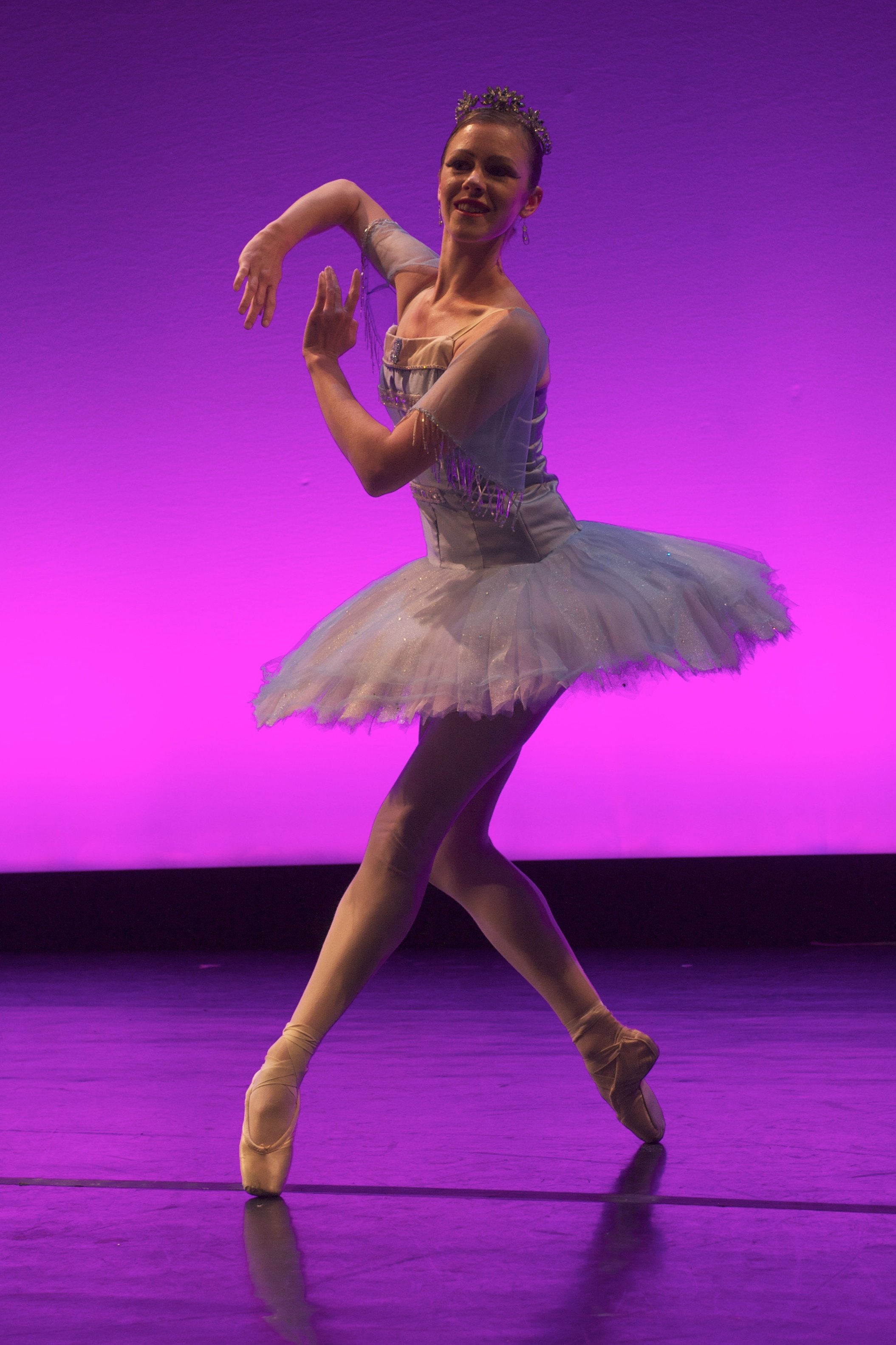
The author performing a variation from Paquita at Georgia College in May 2010.
*Note: In the dance industry we use the phrase “choreograph on students/dancers”. I’ve chosen specifically to phrase the action for students rather than on them to highlight them as active participants rather than merely corporeal bodies to be aesthetically owned by choreographer or audience.